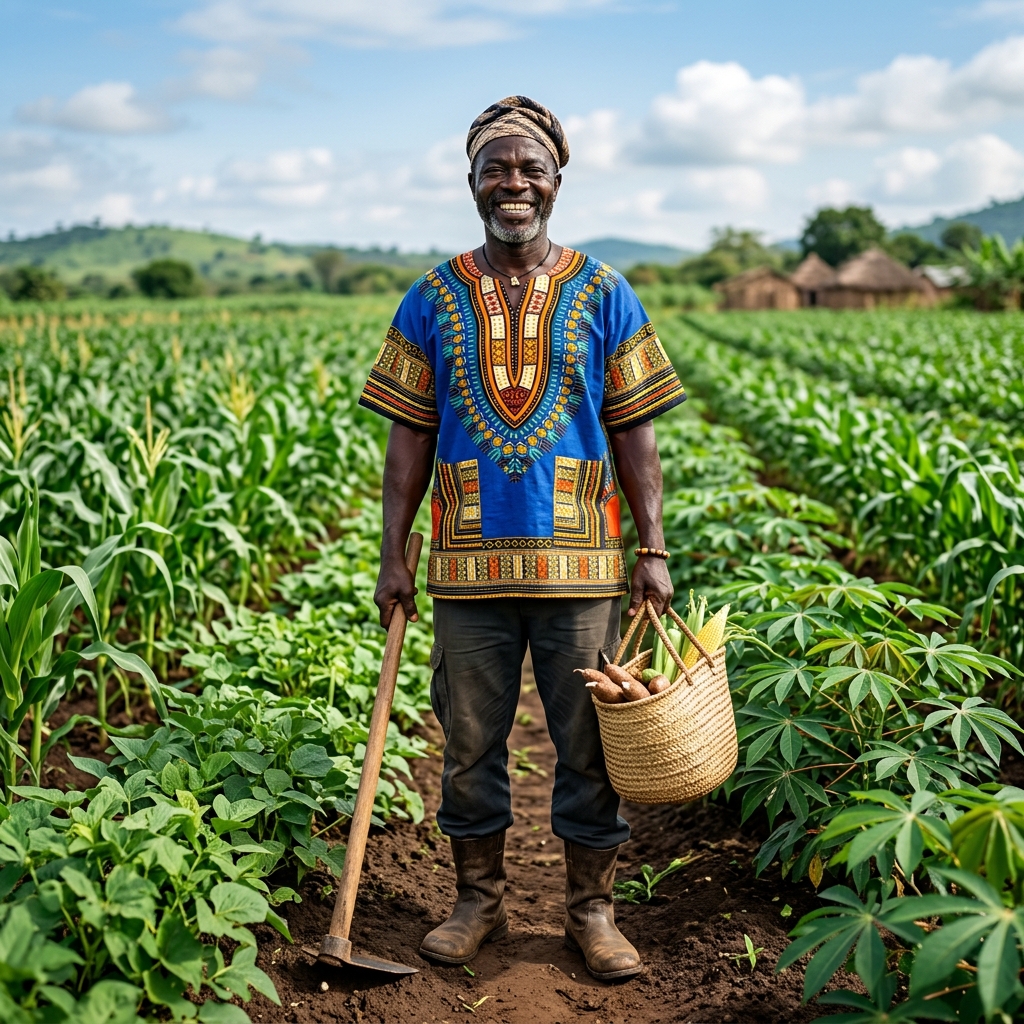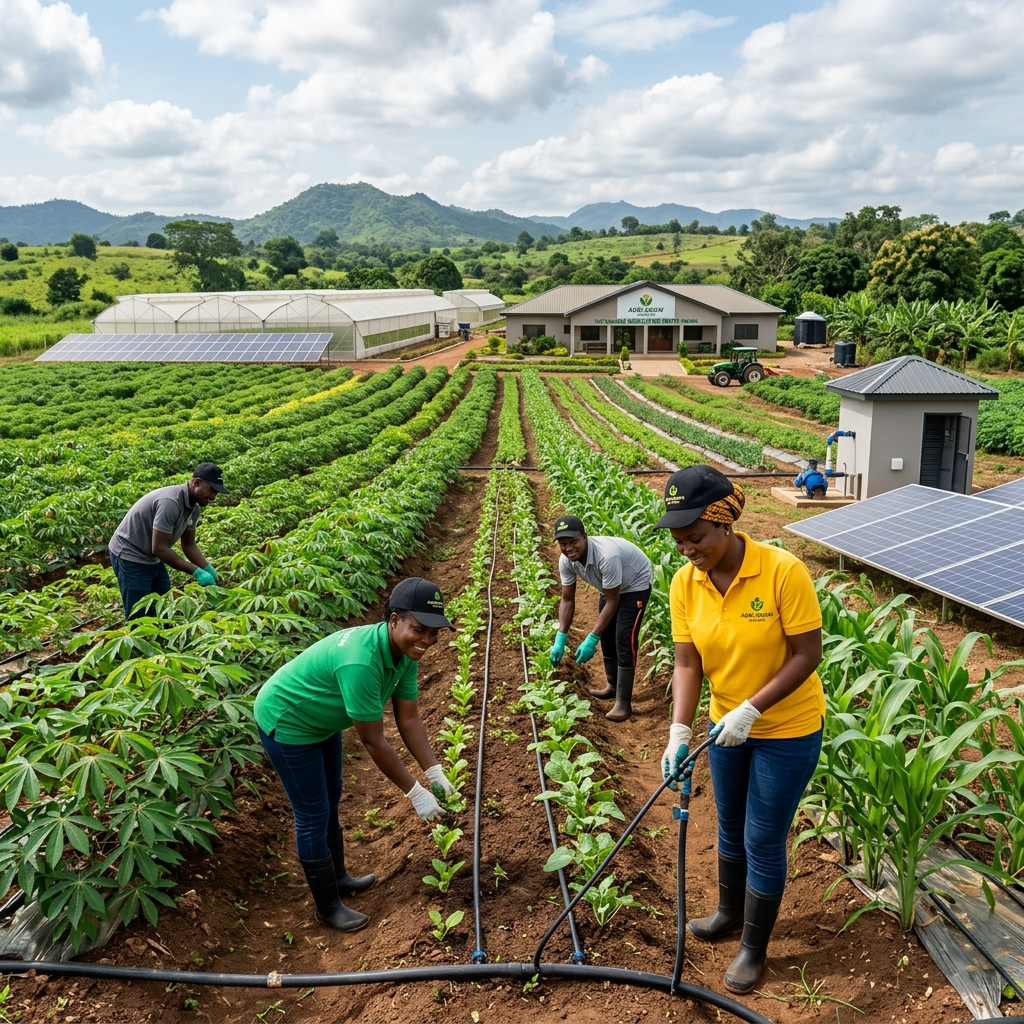
Women form the backbone of the rural agricultural economy in West Africa, yet they often face systemic barriers to land ownership and financial inclusion. Forward-thinking aggregators are actively dismantling these barriers by designing gender-inclusive procurement policies. Initiatives include providing targeted pre-financing for female farming cooperatives and offering specialized training in modern agronomy. By ensuring that female farmers receive direct, fair payments via mobile money, companies are promoting financial independence and community resilience. The data is clear: when women in agriculture are empowered with resources and market access, farm productivity increases, and the economic benefits cascade directly into improved household nutrition and education.
The Demand Signal is Getting Louder
FMCG manufacturers across Ghana and West Africa are under unprecedented pressure to secure reliable, quality-consistent raw material supply chains. The old model — relying on spot purchases from open markets — is simply too fragile. Aflatoxin contamination incidents, volatile pricing, and post-harvest losses up to 30% have forced industrial buyers to seek structured partnerships with aggregators who can deliver volume, predictability, and traceability.
Technology as the Great Equalizer
Satellite-based crop monitoring, mobile farm management apps, and digital farmer registration systems are beginning to transform how agricultural aggregation works at scale. At 7Dots, we are actively integrating digital tools into our farmer network management — allowing us to verify acreage, monitor soil health trends, and forecast harvest volumes with significantly higher accuracy.
This data-driven approach does more than improve our logistics — it provides our industrial buyers with a level of supply chain transparency that was previously impossible at the smallholder farm level. In a market increasingly shaped by ESG requirements and traceability demands from European importers, this visibility is a competitive advantage.
The Northern Savanna: Ghana's Untapped Powerhouse
While Ghana's southern coastal regions dominate the fresh export story, the northern savanna belt — spanning the Northern, North East, Upper East, and Savannah regions — is emerging as one of the continent's most exciting agricultural production zones for dry commodities.
Key Commodities Leading the Northern Surge
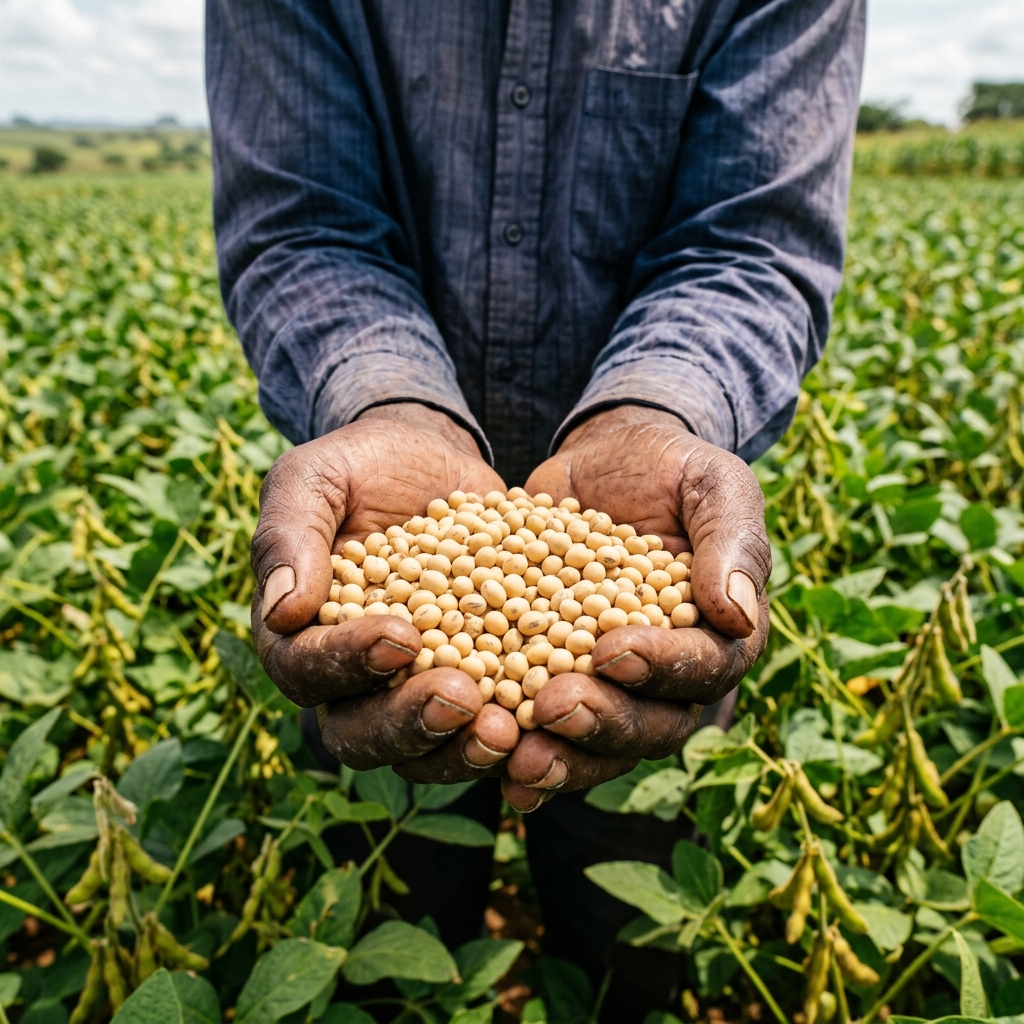
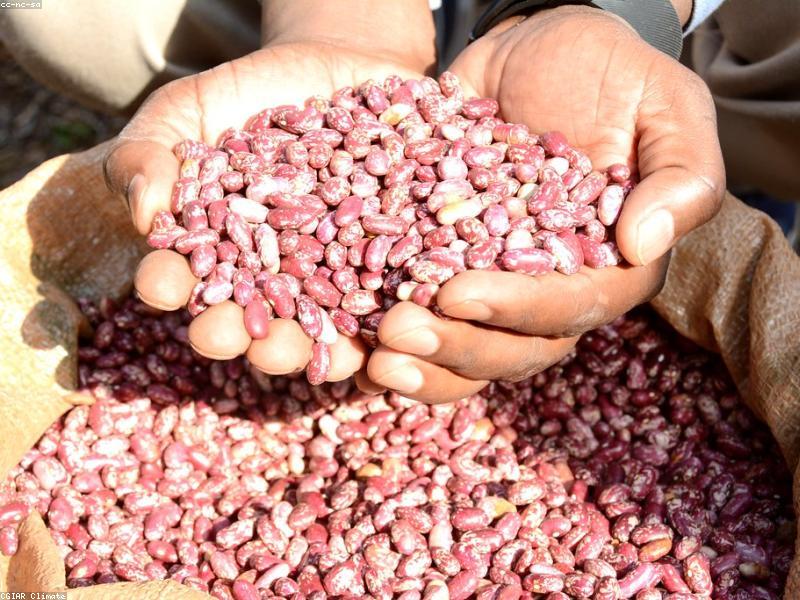
- Soybeans: Protein content of 36–40%, ideal for poultry feed and oil extraction. Production growing at ~15% YoY in northern Ghana.
- White & Yellow Maize: Dual-use commodity for human consumption and industrial feed, with consistent surplus production.
- Ginger: Export-grade ginger with exceptional flavor profiles, gaining traction in European spice and nutraceutical markets.
- Sesame: An emerging export commodity being integrated into 7Dots' future sourcing plans.
The infrastructure is improving too. Recent road construction programs and the introduction of competitive buying posts in regional markets have significantly reduced post-harvest transit losses — a critical bottleneck that had historically undermined farmer profitability and buyer confidence.
The Aggregation Revolution
Perhaps the most important structural shift in West African agriculture is the rise of professional aggregation. The 7Dots Global model — sourcing directly from verified farmer networks on a demand-driven basis, and delivering only against confirmed purchase orders — represents the future of how agricultural raw materials will flow through the economy.
This model is better for farmers (fair, pre-agreed prices with no middlemen), better for buyers (guaranteed quality, pay-on-delivery terms that eliminate procurement risk), and better for Ghana's broader economy (reduced post-harvest losses, formal employment creation in rural areas).
What This Means for Industrial Buyers
If you are a procurement manager at a food processor, beverage company, or FMCG manufacturer in Ghana or across West Africa, the message is clear: the era of fragmented, informal procurement is ending. Structured, transparent, accountable supply partnerships are the future. And those who move early — establishing long-term aggregation partnerships with companies like 7Dots Global — will secure a significant competitive advantage in raw material cost, quality consistency, and supply reliability.
Ready to talk about how 7Dots can serve your supply chain needs? Reach out to us directly at info@7dotsglobal.com or visit our Contact page.